

Why a Chaplain’s Presence Matters

The Ministry of Presence:

There is a quiet kind of ministry that rarely makes headlines and often goes unnoticed by everyone except the person who needs it most. It’s the ministry of presence, showing up, staying near, and bearing witness to another person’s story with compassion and steadiness.

For chaplains, presence is not merely a technique. It is the heart of the vocation.

Presence says, “you are not alone.”  Most people don’t remember the exact words a chaplain says. But they remember that someone was with them.

Presence disrupts isolation. It offers grounding when life becomes disorienting, whether at a hospital bed, a workplace, a fire station, a kitchen table, or a late-night phone call.

In a world that glorifies productivity and speed, presence gives something rare: unhurried attention.

This presence makes space for God.  A chaplain does not bring God into a room; God is already there. However, presence helps people notice God in the midst of their fear, grief, or confusion.

This is called the hiddenness of God; God at work beneath the surface of ordinary encounters.  I  believe that every Christian, in everyday life, could be a bearer of God’s comfort simply by living faithfully, humbly, and attentively.

A chaplain’s presence creates the conditions where the sacred becomes visible.

It is this presence that slowly builds trust.  Trust doesn’t come from impressive credentials or perfect answers.  It grows from consistency.

People open up when they know:

  • You are not rushing them
  • You are not judging them
  • You are not trying to fix them
  • You are not pushing an agenda

Presence communicates safety.  When people feel safe, they can speak truthfully about their doubts, their faith, their guilt, their hopes and in that honesty, healing begins.

This presence honors the dignity of every person.  Chaplains meet people in vulnerable moments—when defenses are low and emotions run raw. Presence honors humanity without demanding anything in return.

It says:

“Your story matters.
Your pain is real.
Your life has worth.”

This is holy ground.

Presence eliminates the need for the perfect words.  Many chaplains worry about what to say. But often the most faithful thing is to say very little.

A hand on a shoulder. A quiet prayer.  A gentle question.  A shared moment of silence.

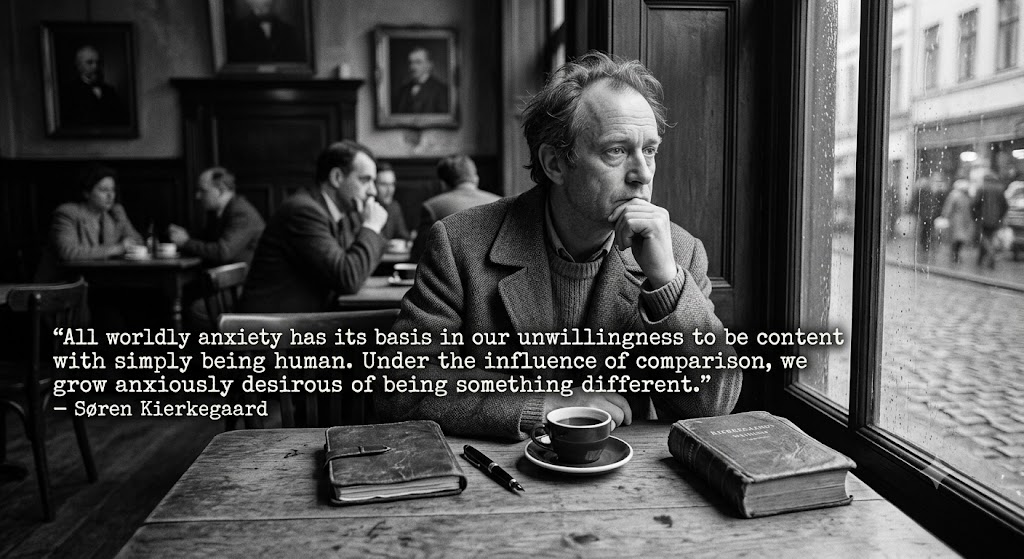
Kierkegaard reminds us that “purity of heart is to will one thing.”  In chaplaincy, that one thing is love and love expressed through attention, listening, and presence.

Christ’s ministry was deeply relational. He walked beside people, shared meals, entered homes, and lingered long enough to see people as they truly were.

Chaplains follow this pattern, not as saviors, but as companions.

Showing up is the most powerful way to make compassion real. It brings a sense of calm to someone’s hardest moments

A chaplain’s presence does not solve every problem. But it changes the atmosphere of suffering. It helps people breathe again.  It gives strength for the next step.

Presence is ministry.
Presence is compassion.
Presence is hope made tangible.

And sometimes the most sacred work a chaplain can do is simply to show up and stay.

Understanding Suffering: A Buddhist Perspective

Suffering is one of the few experiences that unites every human being. Whether it comes through grief, illness, loneliness, anxiety, addiction, aging, or loss, suffering eventually touches every life. As a Buddhist, again and again, I have witnessed a simple truth: we can’t get around the fact that we will suffer, but there is a way to make sense of it, and even to heal.

In Buddhism, suffering is often described by the word dukkha. This term does not only mean physical pain or emotional hardship, it also points to the subtle dissatisfaction that can exist even when life appears outwardly successful. We long for permanence in a world that is constantly changing. We cling to what we love and resist what we fear. In doing so, we often create additional suffering within ourselves.

The Buddha’s teachings begin not with pessimism, but with honesty. The First Noble Truth acknowledges that suffering exists. This can sound discouraging at first, yet there is compassion embedded within this teaching. To recognize suffering is to stop pretending. It allows us to meet our humanity with openness rather than shame.

As a chaplain, I do not see suffering as punishment or failure. Many people believe they should be stronger, more spiritual, or somehow immune to pain. But suffering is not evidence that something is wrong with you; it is evidence that you are human. Buddhism teaches that pain becomes heavier when we isolate ourselves from it or resist it completely. Healing begins when we learn to sit gently with our experience instead of constantly fighting against it.

Mindfulness plays an important role in this process. Mindfulness does not remove grief, fear, or uncertainty. Instead, it teaches us how to remain present without becoming consumed by these experiences. In moments of suffering, the mind often travels into the past through regret or into the future through anxiety. Mindfulness gently returns us to this moment, this breath, this step. Sometimes peace is not found in solving everything, but in simply being fully present with what is here.

Compassion is equally essential. Buddhist compassion is not pity; it is the willingness to remain connected to suffering with tenderness and courage. This includes compassion for others, but also compassion for ourselves. Many people speak to themselves with harshness during difficult times. A Buddhist approach invites us to ask: Can I offer myself the same kindness I would offer someone I love?

One of the most transformative teachings in Buddhism is impermanence. Everything changes. While this truth can feel painful, it is also deeply hopeful. No feeling, no season of life, and no hardship remains forever. The darkness shifts. The grief softens. The wound slowly learns how to breathe again. Impermanence reminds us that healing is possible even when we cannot yet see it clearly.

In spiritual care work, I have learned that people rarely need perfect answers. More often, they need presence. They need someone willing to sit beside them without trying to fix or explain away their pain. Buddhist chaplaincy is rooted in this sacred presence. Sometimes the most compassionate thing we can offer is silence, listening, and the reassurance that no one has to suffer alone.

The Buddha taught that just as suffering exists, so does the possibility of liberation from suffering. This liberation does not mean escaping life. It means learning to live with wisdom, compassion, and inner freedom even in the midst of life’s uncertainties.

Suffering can break us open, but it can also deepen our capacity for understanding, humility, and love. Through mindfulness, compassion, and spiritual practice, we begin to discover that even within pain, there is the possibility of peace.

For anyone walking through a difficult season right now, may you remember this: you do not need to have all the answers today. Begin with one breath. One moment of kindness toward yourself. One small step toward healing. Even in suffering, you are not alone.