
“Surely the Lord is in this place, and I did not know it.” — Genesis 28:16
We often look for God in the dramatic, the miracle, the healing and the mountaintop revelation. But more often than not, God comes quietly. God comes in the ordinary. In the steady rhythm of our daily lives, grace is hiding in plain sight.
The Everyday Sacred
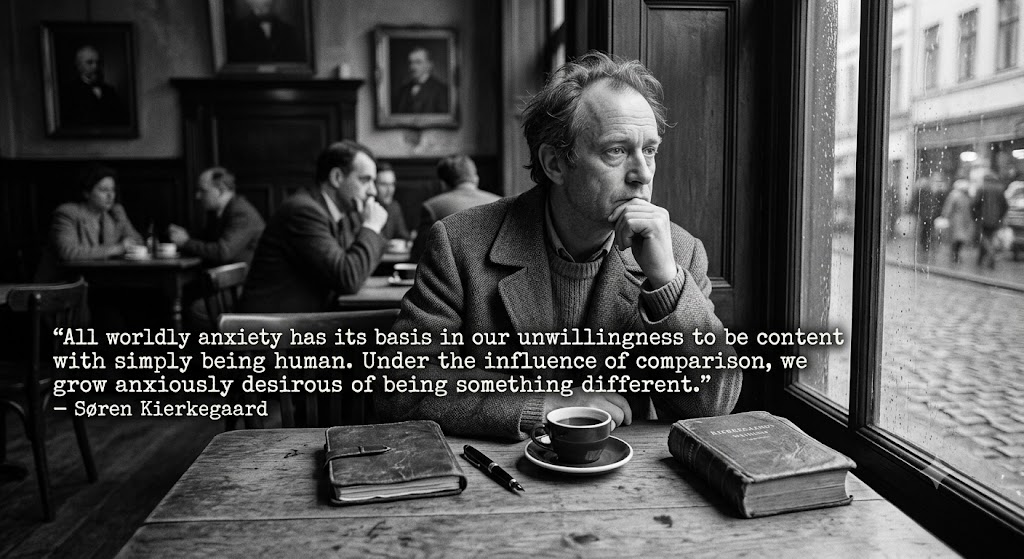
Kierkegaard once said that “purity of heart is to will one thing.” To live with that kind of focus means seeing every moment, no matter how small, as belonging to God. Washing dishes, listening to a friend, driving to work, all these are not interruptions to the spiritual life. They are spiritual life when offered with love and awareness.
The sacred doesn’t always announce itself with trumpets; it often whispers through the ordinary.
The Ministry of Presence
As a chaplain, I’ve learned that God often appears in the quiet space between words, in a held hand, a shared tear, or silent prayer at a bedside. We don’t have to summon God into those moments. God is already there. Our task is to notice.
Presence itself becomes prayer.
Jesus in the Everyday
Jesus met people in ordinary places: on roadsides, around tables, in boats, in homes. He sanctified the everyday by entering it fully. When He broke bread, it wasn’t just a meal; it became communion. When He washed feet, it wasn’t just service; it was divine love embodied in the smallest gesture.
When we slow down enough to see, we find that God is still doing the same — meeting us in our kitchens, our commutes, our quiet mornings.
To find God in ordinary moments, we must practice noticing.
Pause. Breathe. Let the moment be what it is.
Instead of asking, “Where is God?” we might begin to ask, “Where am I not looking?”
When we pay attention, the ordinary reveals itself as holy, not because it changed, but because we did.
Closing Reflection
God doesn’t just dwell in the holy places; God dwells in this place, he is everywhere: your life, your work, your relationships. The divine meets us where we are.
So pause, breathe, and look around. The sacred is closer than you think.
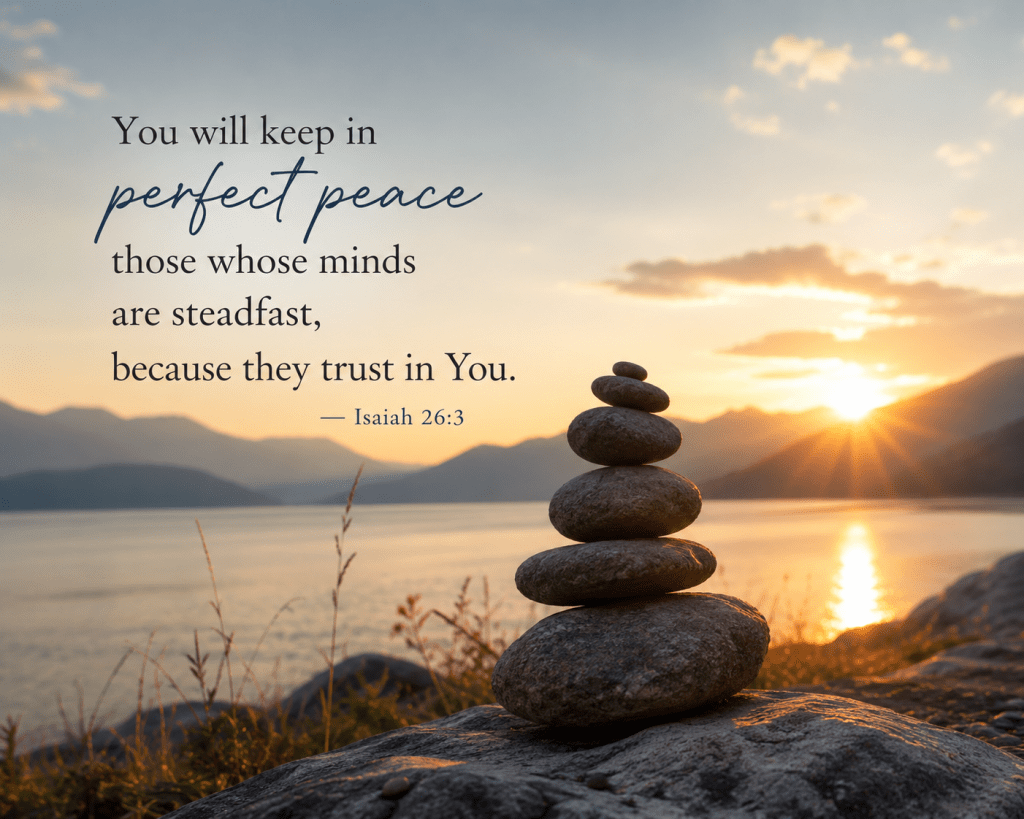
“Be still, and know that I am God.” — Psalm 46:10



 desert spiritual care